Autumn pasture management: the key to a healthy and productive spring
September 17, 2024
A healthy pasture is not created in the spring – you establish it in the autumn. While the leaves fall and the days grow shorter, this is the exact moment to lay the foundation for a fertile, horse-friendly pasture season next year. Smart maintenance in the autumn prevents mud problems, supports the turf, limits weed growth, and saves you both time and money in the spring.
1. Start with a thorough inspection
Walk through your pasture with a critical eye – with boots on and a notebook in hand. Pay attention to:
Bare spots or damaged lawn
Weed growth and potentially toxic plants
Poor drainage or muddy areas
Damaged fences or loose wires
Problems you tackle now save you headaches later – and veterinary costs.
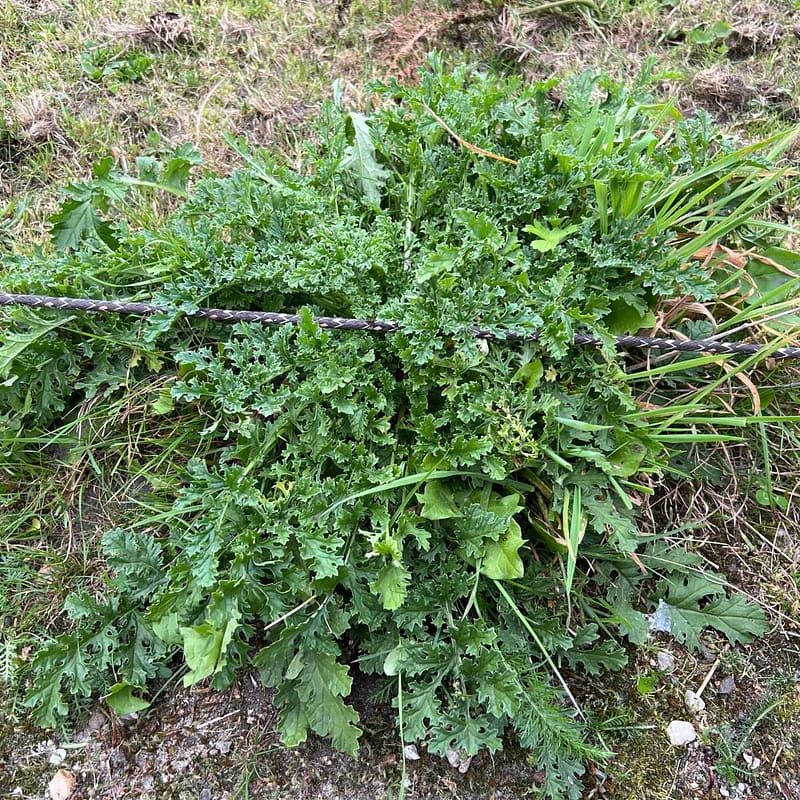
🔍 Watch out for the rosettes of common ragwort in autumn – now they are the easiest to recognize and remove.
2. Lawn maintenance: investing in the basics
Autumn is an excellent time to strengthen the lawn, because the soil is still warm and the air is getting cooler. This stimulates root development.
Soil testing and liming
Have a soil analysis carried out to gain insight into pH and nutrients. Is the acidity too low? Then lime can help to bring the soil into balance. Preferably do this in the autumn so that it has time to take effect.
Reseeding and grass selection
Reseed bare patches preferably with a pasture mix suitable for horses. Think of low-fructan species or mixtures that are also suitable for haymaking. Choose quality over quantity – a dense, healthy turf limits weed growth and promotes your horse's gut health.
Aerate
Aeration helps reduce soil compaction, especially in heavily used areas such as gates, feeding sites, and watering zones. This improves the uptake of water and nutrients.
3. Water management: prevent mud and damage
Mud is not only annoying, it poses a risk to tendons, hooves, and hygiene.
Drainage
Check existing drainage systems or ditches. Remove obstacles and consider additional drainage where necessary – an investment that pays for itself in working comfort and pasture quality.
Troughs and mud puddles
Place water troughs on elevated areas if possible. Muddy spots near water points can be avoided with paving, rubber mats, or a good subbase.
Plants as an ally
Trees such as willows or alders can be planted along edges or wet spots to absorb water. Some trees are also edible for horses and provide shade or shelter.
4. Fencing and security
Pasture management does not stop at the grass. A safe environment prevents injuries and escapes.
Check all poles, ribbons, wires, and gates
Immediately repair anything loose or damaged
Clear away waste, stones, branches, or sharp objects
Don't forget the run-in sheds or natural shelter either: these must be dry, safe, and draft-free. A good shelter makes all the difference in your horse's well-being, especially in harsh weather conditions.
5. Think ahead: preparing for winter
Use autumn to look ahead. Provide sand-free feeding areas, consider hay nets or boxes, check water pipes for frost risk, and plan your supply of hay or haylage in time.
Conclusion: every step counts
Autumn management is no unnecessary luxury – it is essential. What you do now determines the quality of the pasture in the spring. With a few strategic interventions, you ensure:
A better grass yield
Less mud and damage
Safer pasture use
Fewer weeds and poisonous plants
Better gut health in your horse
Don't let the weather be a spoilsport – start now. Your horse will thank you.

 EN
EN  NL
NL  FR
FR  DE
DE  ES
ES